[기억할 개념]
- 값이 잘못되어 있을 때:
case when 가장 적은 값일 경우, then ~
when 가장 큰 값일 경우, then ~ - 데이터 갯수 : COUNT(컬럼) * 컬럼명 대신 1 혹은 * 사용 가능
몇개의 값을 가지고 있는지 구할 때 : DISTINCT - 날짜 함수: date-format(date(date), '%n'), "0"
a. 년 : Y (4자리), y(2자리)
b. 월 : M, m
c. 일 : d, e
d. 요일 : w
select date(date) date_type,
date_format(date(date), '%Y') "년",
date_format(date(date), '%m') "월",
date_format(date(date), '%d') "일",
date_format(date(date), '%w') "요일" (*요일을 숫자로 표현, 0이 일요일)
from payments - window 함수
ⓛ 기본 구조
window_function(argument) over (partition by 그룹 기준 컬럼 order by 정렬 기준)
window_function : 기능명을 사용(sum, avg 와 같이 기능명)
argument : 함수에 따라 작성하거나 생략
partition by : 그룹을 나누기 위한 기준으로, group by 절과 유사
order by : window function 을 적용할 때 정렬 할 컬럼 기준
② rank(순위): rank () over(partition by 기준 컬럼 by) 별명
select cuisine_type,
restaurant_name,
order_count,
rn "순위"
from
(
select cuisine_type,
restaurant_name,
rank() over (partition by cuisine_type order by order_count desc) rn,
order_count
from
(
select cuisine_type, restaurant_name, count(1) order_count
from food_orders
group by 1, 2
)a
)b
where rn<=3
order by 1, 4
③ sum(누적합): sum() over(partition by 기준 컬럼 by) 별명
select cuisine_type,
restaurant_name,
order_count,
order_count/sum_cuisine_type*100 "음식점의 차지비율",
cumulative_sum "누적합"
from
(
select cuisine_type,
restaurant_name,
order_count,
sum(order_count) over (partition by cuisine_type) sum_cuisine_type,
sum(order_count) over (partition by cuisine_type order by order_count, restaurant_name) cumulative_sum
from
(
select cuisine_type, restaurant_name, count(1) order_count
from food_orders
group by 1, 2
)a
)b
order by 1, 5 - Pivot Table:
① 기본 구조
select 첫 행 기준 컬럼
mas(if(가정, 값이 맞을 때, 틀렸을 때)) "카테고리"
from
(
두번째 수식
) a
group by 1
=> 연산 수식(max, sum, avg 등) 마지막 하단에 group by로 꼭 묶어줄 것!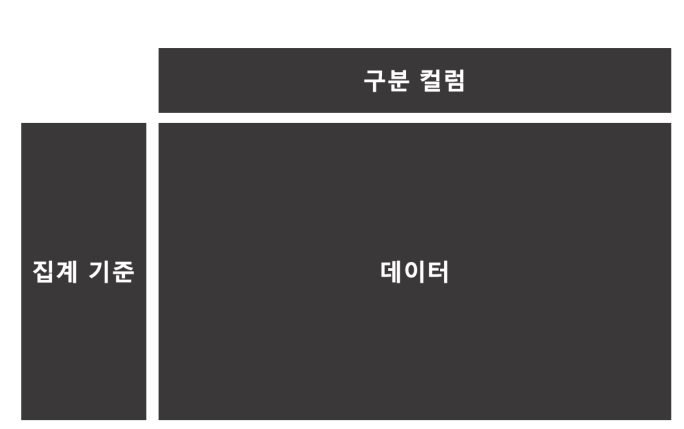
② 예시
select restaurant_name,
max(if(hh='15', cnt_order, 0)) "15",
max(if(hh='16', cnt_order, 0)) "16",
max(if(hh='17', cnt_order, 0)) "17",
max(if(hh='18', cnt_order, 0)) "18",
max(if(hh='19', cnt_order, 0)) "19",
max(if(hh='20', cnt_order, 0)) "20"
from
(
select a.restaurant_name,
substring(b.time, 1, 2) hh,
count(1) cnt_order
from food_orders a inner join payments b on a.order_id=b.order_id
where substring(b.time, 1, 2) between 15 and 20
group by 1, 2
)a
group by 1
order by 7 desc
[코드카타]

- 내가 쓴 raw code:
select animal_id, name
from animal_ins
where intake_condition='Aged'
order by animal_id- 튜터님이 쓴 raw code:
select animal_id, name
from animal_ins
where intake_condition !='Aged'
order by animal_id
튜터님 답변) aged는 나이가 들었음을 표현 (영어를 잘 모르는 게 여기서 탄로 남..ㅋ)
● 조건이 해당 되지 않을 경우 문법: '!=' 부호 사용
● 코드카타 본문 내용 정답과 실제 정답이 다른 경우 다수이므로, 코드 작성 후 채점하는 것이 가장 중요!
[배운 점]
- SQL 초반에는 쉬웠으나, 점점 구문이 길어질수록 분석해내는 게 쉽지 않다.
- 구문을 작성하는 것도 어렵지만, 해석하는 것도 다소 버퍼링이 걸려서 어렵게 느껴진다.
- 이제 SQL 기본 강의를 끝내고, SQLD 자격증 대비반 강의를 듣기 시작했다.
16주차까지 있어, 다소 빡세게 느껴지지만 그래도 듣다 보면 잘 될 것 같다.
'SQL' 카테고리의 다른 글
| 12/29 - SQL 심화학습 4일차 & 개인과제 좌충우돌 MySQL 설치기 (2) | 2023.12.29 |
|---|---|
| 12/28 - SQL 심화학습 3일차 & 데이터 관련 자격증 정보 및 일정 & 국민취업제도 간략 설명 (2) | 2023.12.28 |
| 12/26 - NEW 팀 대면식&강의 수강 집중 (2) | 2023.12.26 |
| 12/21 - 스프레드 시트 수정 집중 및 발표 순서 정리 (1) | 2023.12.21 |
| 12/20 - 차트 구현 및 노션 발표 자료 수정 집중 (1) | 2023.12.20 |


